

The Darwin humidity clings to the window of a quiet pub while a couple of locals argue over a hand of blackjack behind the bar. It’s a scene that plays out anywhere from a coastal club to a Darwin casino lounge, and the same split-second decision comes up every time: do you hold, hit, or walk away from a bad deal? That’s where blackjack when to surrender stops being a textbook rule and becomes a real money decision, especially when you’re playing for stakes that actually matter.
I’ve spent more than a decade building lifecycle campaigns across iGaming and FinTech, and the pattern is always the same: the feature that looks like a small edge on paper is the one that shapes retention when the numbers get tight. Surrender works the same way in blackjack. It isn’t a rescue card for every losing hand, and treating it like one is how casual players bleed bankroll over a long arvo. The move only earns its keep when you know exactly which hands to fold and which ones to keep fighting, because the house still has a structural advantage on almost every other decision.
The surrender maths that actually matter
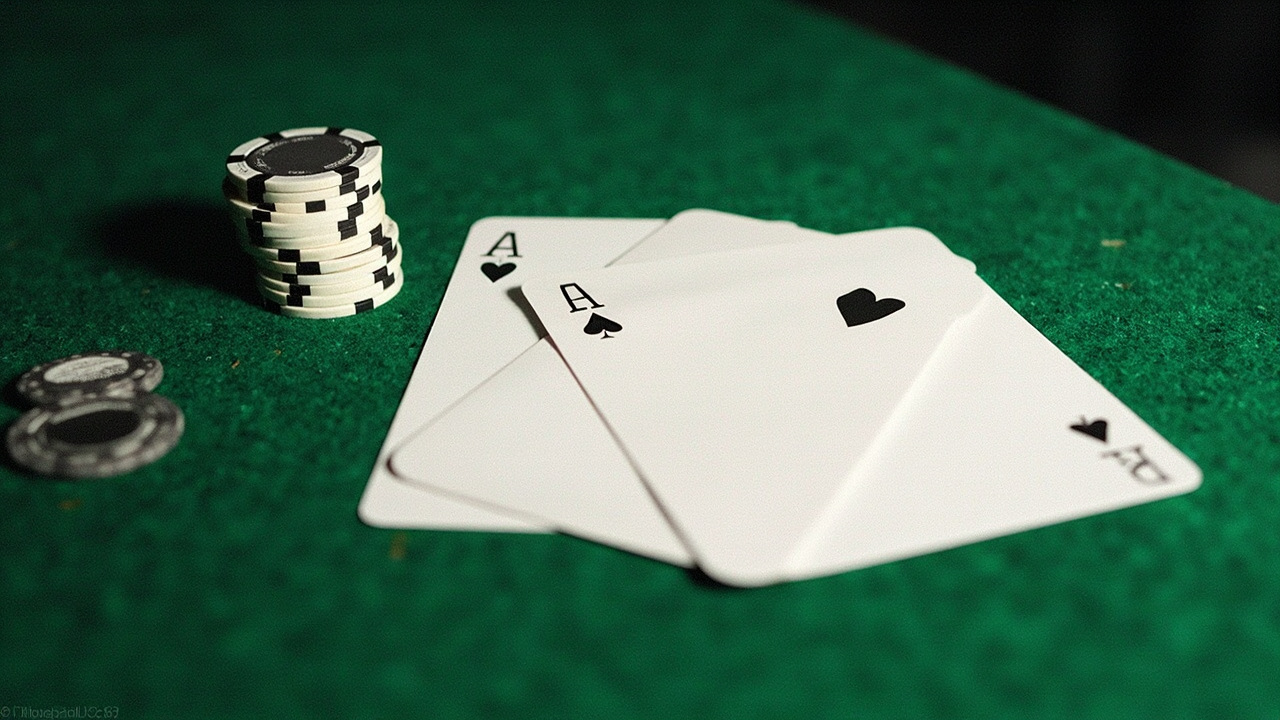
Most players hear about surrender and assume it’s a free exit hatch, which is the kind of thinking that turns a sensible rule into a slow leak. The real value sits in two specific hands: a hard 16 against a dealer 9, 10, or ace, and a hard 15 against a dealer 10. Those are the spots where standing loses more often than hitting, and surrender cuts the loss to half a bet instead of the full whack. Everything else on the chart is usually a trap, because giving up half a wager on a 12 or a 13 rarely pays back over a meaningful sample. kangaroo 88 casino login australia
Abigail Harris, Board Member, Nullarbor Gaming Analytics, puts it plainly when she runs the numbers on player decision trees: “Surrender only moves the needle when you’re folding hands that are statistically worse than a coin toss, and players who surrender outside that narrow band are paying a premium for the feeling of control.” That’s the judgement call I’d make in any lifecycle model I’ve built: keep the action narrow, measure the drop in expected loss, and don’t let a slick interface convince you that more options mean better outcomes. A good blackjack table should show the chart without making it feel like homework, because the moment the rule gets buried under flashy animations, players start guessing instead of following the maths. Blackjack Surrender Online for Australian Players
How a well-built table makes the call easier
The interface work here is where a lot of tables quietly fail their players. A decent blackjack setup puts the surrender button where your eye naturally lands when the dealer checks for blackjack, uses Australian English and a clear currency toggle so you’re never second-guessing whether you’re playing in dollars or cents, and keeps the hand history visible without cluttering the layout. Navigation should let you switch between standard and early surrender variants without hunting through menus, and the search or filter tools need to surface the exact table rules you’re sitting at rather than dumping every game in one long list.
I’ve reviewed enough product flows to know that localisation isn’t just a language swap; it’s the difference between a player trusting the table and a player second-guessing every tap. When the rules are written in plain English, the currency matches what you actually deposited, and the hand history stays readable on a phone screen, the surrender decision stops feeling like a gamble on the interface itself. That’s the everyday usability piece that matters more than any promotional noise, because a player who can read the table quickly is a player who makes the right fold instead of clicking through out of confusion.
Where the feature fits in a real player journey
Surrender only earns its place when it’s treated as one decision in a broader session, not the headline draw. A sensible table wraps it into a loyalty structure that rewards consistent play rather than pushing bonus mechanics that encourage reckless hands, and the payment flow should let you move in and out without making you relearn the rules every time you switch devices. Registration needs to be straightforward, the mobile layout should mirror the desktop experience without cramming buttons together, and support should actually know the surrender rules instead of reading from a generic script.
Emily Parker, Sports Betting Analyst, Southern Reef Gaming, flags the practical side when she looks at how players actually behave across sessions: “The players who last are the ones who treat surrender as a cost-control tool, not a way to dodge every bad beat, and that discipline usually shows up in how they manage their bankroll between sessions.” That’s the lifecycle lens I’d apply here: a table that makes the right fold easy, keeps the currency and language consistent, and doesn’t distract you with bonus clutter is the one where the maths actually has room to work. If you’re weighing up where to sit down and play, a quick kangaroo 88 casino login australia gets you into a lobby where the table rules are listed up front, which matters more than any flashy welcome message when you’re trying to make the right call on a hard 16.
• Fold hard 16 against a dealer 9, 10, or ace when late surrender is available
• Fold hard 15 against a dealer 10, but stand on 15 against 2 through 6
• Keep playing hard 12 through 14 and let the basic strategy chart guide the hit or stand
• Ignore early surrender unless the specific table rules and bankroll justify the extra complexity
The short version is that blackjack when to surrender is a narrow, practical rule, not a blanket escape hatch, and the tables that make it easiest to use are the ones that keep the chart visible, the currency clear, and the interface out of your way. Treat it as a cost-control move, learn the two hands that actually justify it, and let the rest of the session run on basic strategy instead of gut feel.